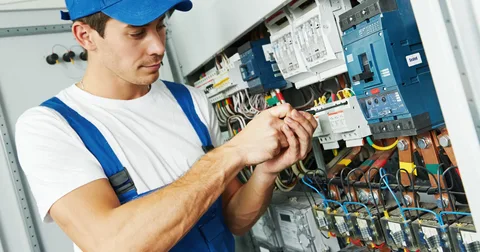

In today’s rapidly revolutionizing world, electricity is a central part of our daily lives. Electricity, power, lights, appliances, and every gadget that we use in this modern world. We might take it for granted, but electrical problems can occur in any home.
These home electrical repair issues can highly impact your daily routine, damage electronics, and even create dangerous hazards like electrical fires or shocks. However, by following a few essential steps, you can avoid them, or even when they arise, relying on professional electrical repair services ensures the work is done safely and effectively.
Robinhood Electric is here to guide you to avoid these problems by knowing the common electrical issues in the house and taking steps to prevent them, so let’s get into it.
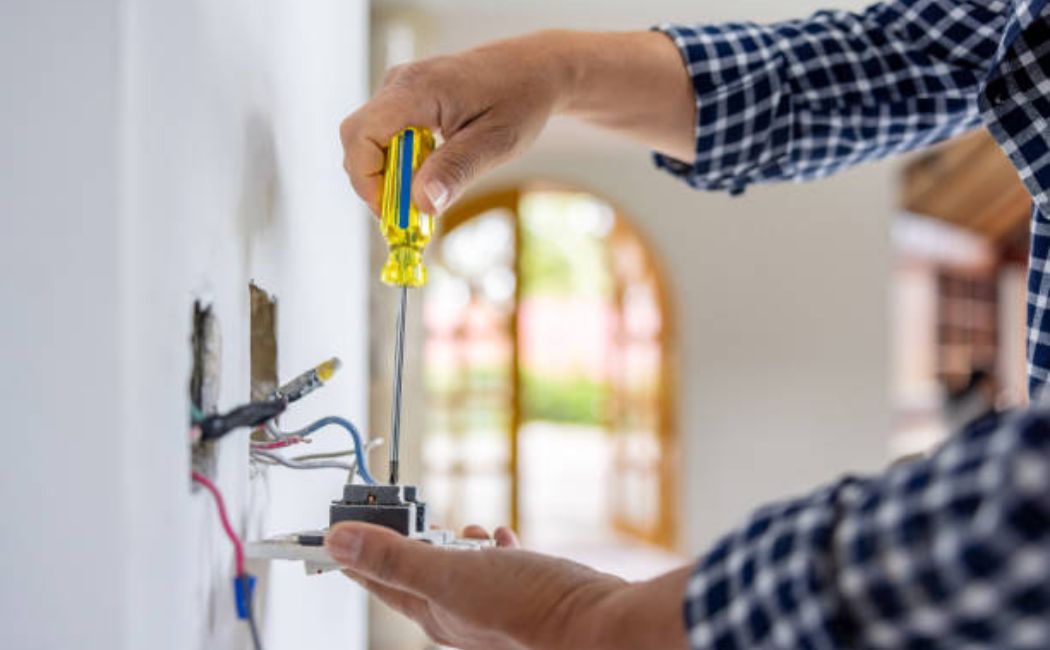
Frequent Tripping Of Circuit Breakers
Circuit breakers trip when the electrical load limit is exceeded. This tripping protects your home, but if this happens frequently, then it is necessary to get your electrical service panel checked by a professional.
The frequent tripping indicates that there may be an overloaded circuit, faulty wiring, or a worn-out breaker. Avoiding this issue can be dangerous as it can lead to overheated wires, damaged electronics, and increased fire risk.
Prevention
- Use separate circuits for high-wattage appliances
- Avoid overloading outlets.
- If the issue persists, a licensed electrician or circuit breaker repair service can inspect and fix the root cause.
Flickering Or Dimming Of Lights
A loose bulb can be a significant cause of a flicker. Still, if it happens frequently, there could be loose wiring, overloaded circuits, or problems with the primary electrical connection. Avoiding this issue for a long time can cause the faulty wiring to overheat, damaging fixtures and increasing fire hazards.
Prevention
- Make sure that bulbs are the correct wattage and firmly fitted.
- Contact a professional for home electrical repair services to inspect your wiring and connections if the flickering continues.
Dead Or Non-Functioning Outlets
Outlets can stop working due to tripped GFCI outlets, blown fuses, or damaged wiring. This leads to a shortage of outlets when they need to be installed, and dead outlets may signal underlying wiring problems that can worsen over time.
Prevention
- Test and reset GFCI outlets occasionally.
- Avoid forcing plugs into outlets,
- Contact an electric repair company to replace damaged ones promptly.
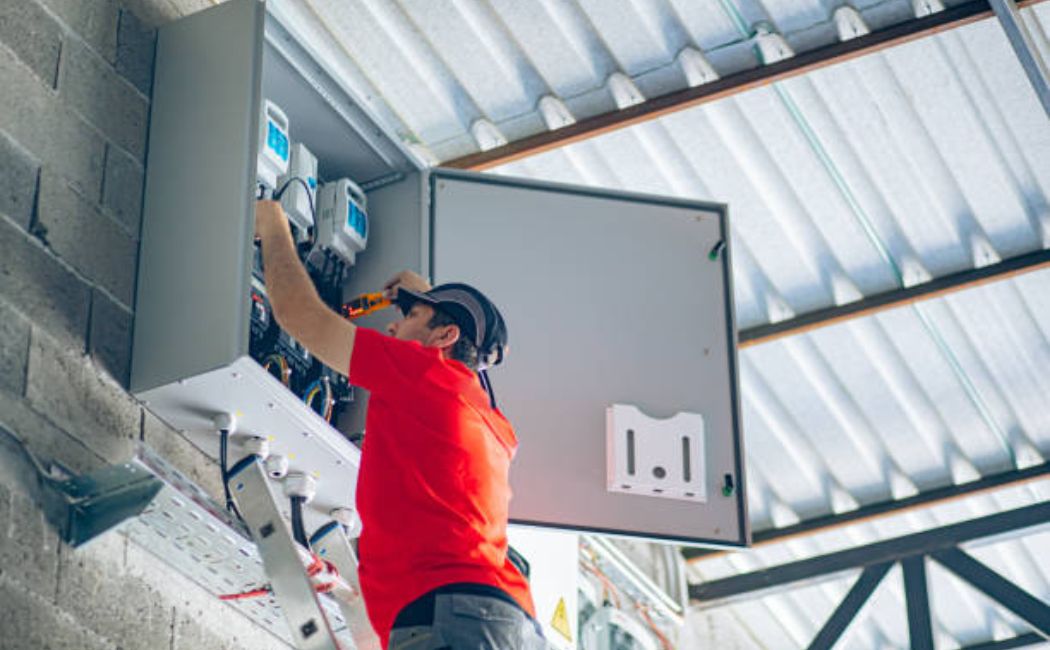
Warm Switches Or Outlets
It is essential to make sure, from time to time, that your switches or outlets are not getting warm. Heat is a sign of overloading or faulty wiring connections. These warm or hot outlets can ignite nearby materials, leading to electrical fires.
Prevention
If your switches or outlets are getting warm, it is advisable to:
- Unplug appliances immediately
- Call an electric repair service to identify and fix the issue.
Burning Smell or Sparks
Have you experienced a burning smell or visible sparks from an outlet or switch? This is a serious red flag. It often means wires are overheating, insulation is melting, or a short circuit is occurring. Ignoring this serious situation can pose a significant fire hazard and risk of electric shock.
Prevention
- Turn off the breaker immediately
- Contact electrical service repair professionals for emergency assistance.
Overloading Of Power Strips
Power strips are convenient, but plugging too many devices into one can overheat the strip, trip breakers, or damage appliances. These power strips increase the risk of fires and short circuits.
Prevention
- Use quality strips with surge protection
- Avoid connecting multiple high-wattage devices
- Get electrical installation service for the installation of additional circuits.
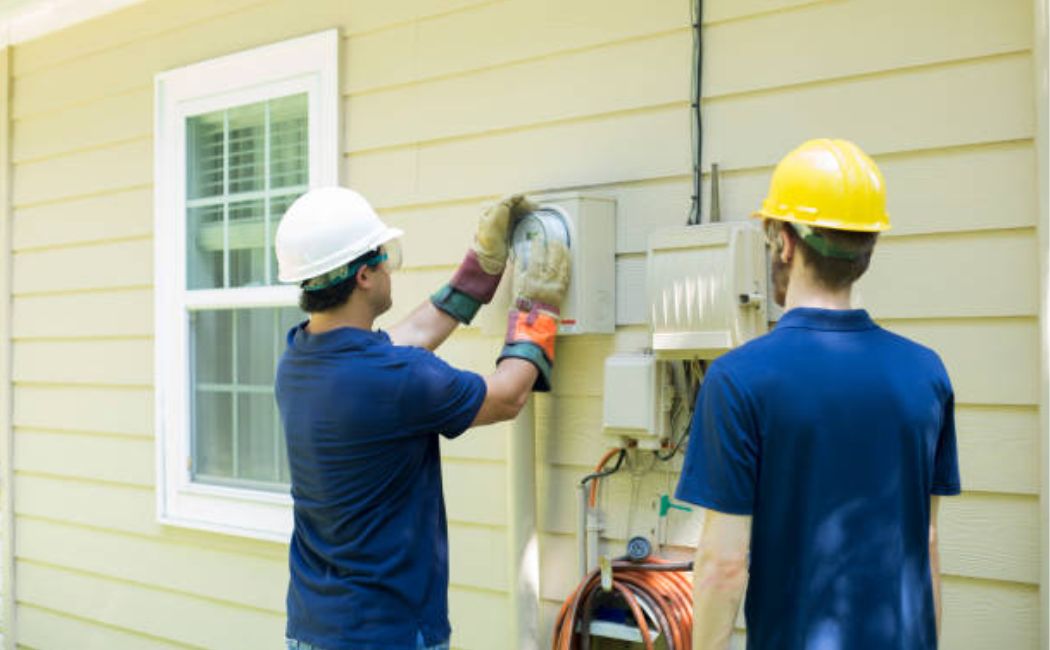
Outdated Wiring
Older homes often have wiring that no longer meets modern safety standards. Aluminum wiring or knob-and-tube systems are common examples. These systems can’t handle today’s power demands and are prone to deterioration, increasing the risk of overheating and fires.
Prevention
- Schedule a full-home inspection.
- Get your outdated wiring replaced by licensed electrical service providers.
Faulty Light Switches
Having loose, buzzing, or unresponsive light switches may indicate worn-out components or wiring faults. It can cause shocks, overheating, or complete circuit failure.
Prevention
Replace faulty switches promptly and avoid DIY electrical fixes. Trust home electrical repair professionals to handle the work safely.
Frequent Electrical Surges
Lightning, faulty appliances, or grid problems can cause surges. Even short surges can damage electronics over time. This shortens the lifespan of appliances and can cause data loss.
Prevention
- Install whole-home surge protection
- Replace any appliances contributing to surges.
- Contact an electrical service provider to ensure proper grounding.
DIY Electrical Repairs
Attempting electrical work without the proper training or tools can create hazards, violate building codes, and even void home insurance, increasing the risk of electrocution, fire hazards, and legal issues.
Prevention
- Hire a qualified electric repair company.
- Electrical repair services provider for all but the simplest tasks, like replacing a bulb.
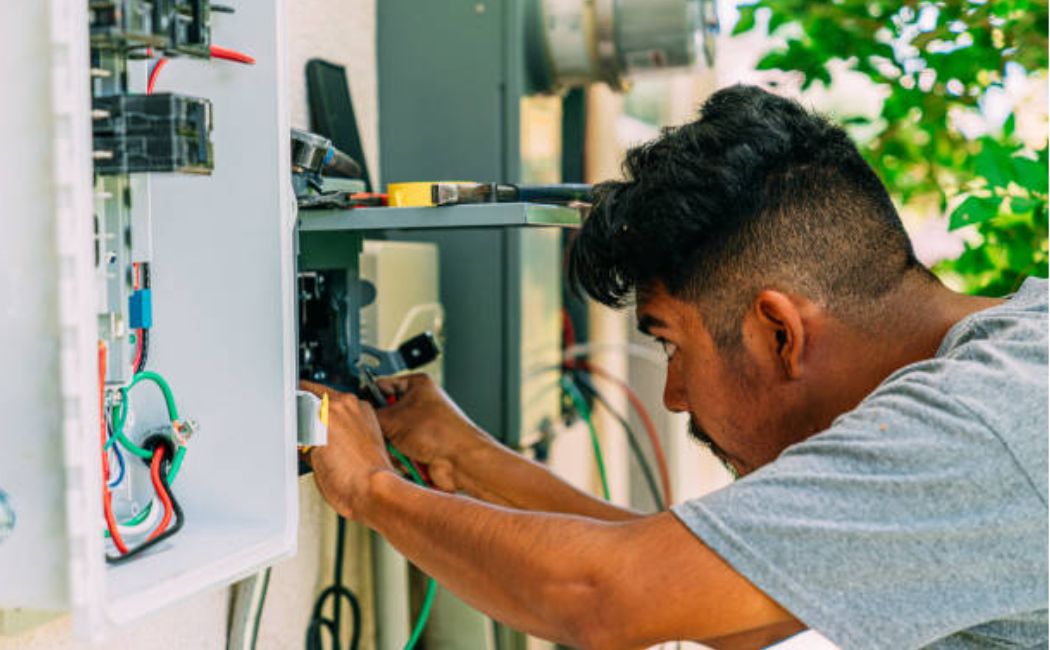
Why Professional Electrical Services Matter
While a loose bulb is easy to fix, many home electrical repair issues require expert skills and equipment. Getting professional electrical installation service not only fixes problems correctly but also prevents future ones through proper diagnostics.
Key benefits of hiring professionals include:
- Accurate identification of the real issue
- Compliance with electrical codes and safety standards
- Long-term reliability and performance
- Warranty on repairs and installed parts
Preventing Electrical Problems Before They Start
Avoiding major repairs often comes down to maintenance and safe habits. Here are a few habits to adopt:
- Schedule Regular Inspections: Especially for older homes, have residential electrical services check wiring, panels, and outlets every few years.
- Avoid Circuit Overload: Space out the use of heavy appliances and invest in additional circuits if needed.
- Upgrade When Needed: Replace outdated wiring and panels before they become dangerous.
- Act quickly: Address flickering lights, buzzing switches, or overheating outlets immediately.
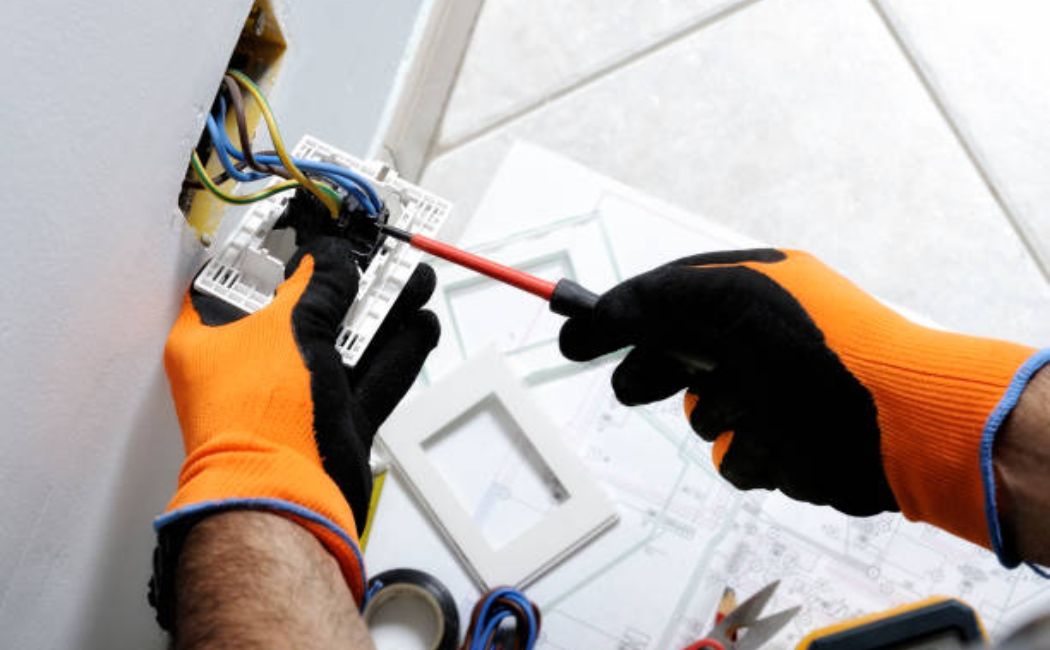
Final Thoughts
Electrical problems can start small but quickly escalate into safety hazards. By understanding the most common home electrical repair issues, from tripping breakers to outdated wiring, you can take steps to prevent them. And when prevention isn’t enough, Contact Robinhood Electric to defend against dangerous and costly problems.
Your home’s electrical service panel is too important to leave to chance. Stay proactive, act quickly at the first sign of trouble, and always trust qualified professionals to keep your home safe and powered.
Frequently Asked Questions
What are the most common home electrical repair issues?
Some of the most common home electrical repair issues include frequently tripping circuit breakers, flickering or dimming lights, dead outlets, warm switches or outlets, and other similar problems.
Why do my circuit breakers trip so often?
Frequent tripping usually means an overloaded circuit, faulty wiring, or a worn-out breaker. You should contact circuit breaker repair services to inspect and resolve the problem before it causes overheating or fire hazards.
What causes flickering or dimming lights in a home?
While loose bulbs are a common cause, persistent flickering can indicate overloaded circuits, loose wiring, or issues with your primary electrical connection. Home electrical repair services can identify and fix the root cause safely.
Are warm outlets or switches dangerous?
Yes. Warm outlets often signal overloading or faulty wiring, which can lead to electrical fires. If you notice heat, unplug devices and call an electrician immediately.
What should I do if I smell burning or see sparks from an outlet?
This is an emergency. Turn off the breaker and contact a licensed electrical service repair professional immediately. Burning smells or sparks often indicate overheated wires or a short circuit.