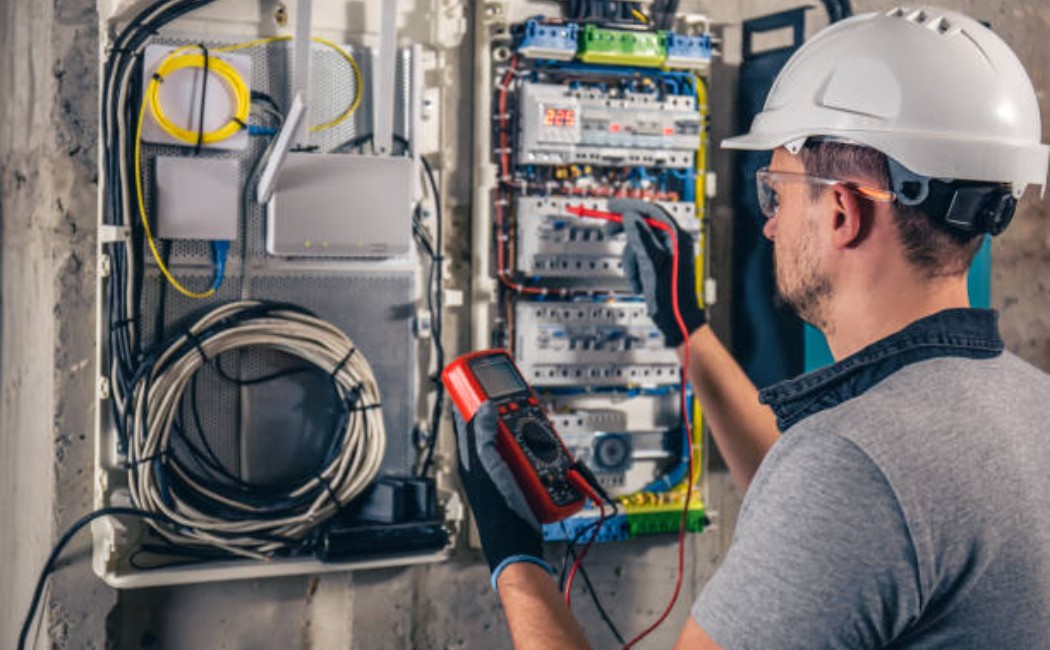
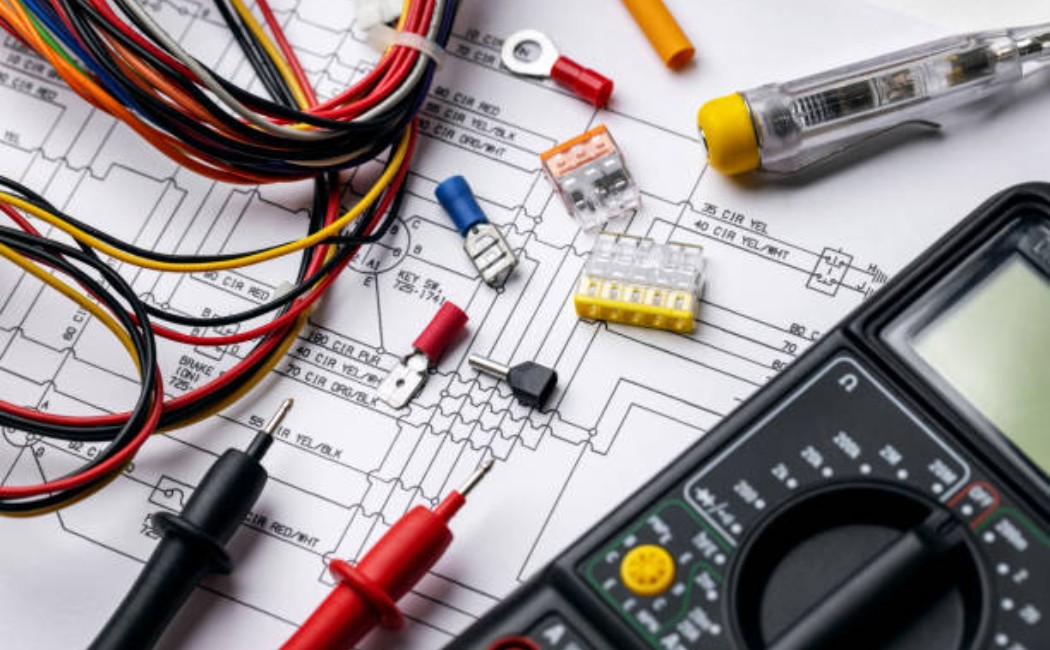
Every modern house has electrical systems that power all its lights, appliances, as well as its security systems and EV chargers. However, electrical issues in houses are not uncommon, as many people think.
Not taking care of them can cost you a lot of money in repairs and sometimes loss of life and property due to fires. With the help of an electrical troubleshooting checklist, homeowners can easily detect the problem early and determine when expert assistance is required.
If you are willing to know the electrical troubleshooting checklist, read the complete blog. Reading this blog will take you through the necessary steps of troubleshooting within your home, the common signs of warning, and some tips for maintaining the electrical system within your home.
Understanding Home Troubleshooting of Electrical
Home electrical troubleshooting is the detection, evaluation, and process of corrective action on electrical faults in a safe manner. Although homeowners are able to manage some minor issues, there are other problems that need the attention of a professional electrical troubleshooter in order to make sure that they are safe and that they follow the code.
The indication of electrical faults at home is usually a description of symptoms, including flickering of the lights, tripping of the breakers, or other suspicious sounds. By being aware of what to watch out for, one can avoid the minor problems from turning into huge risks.
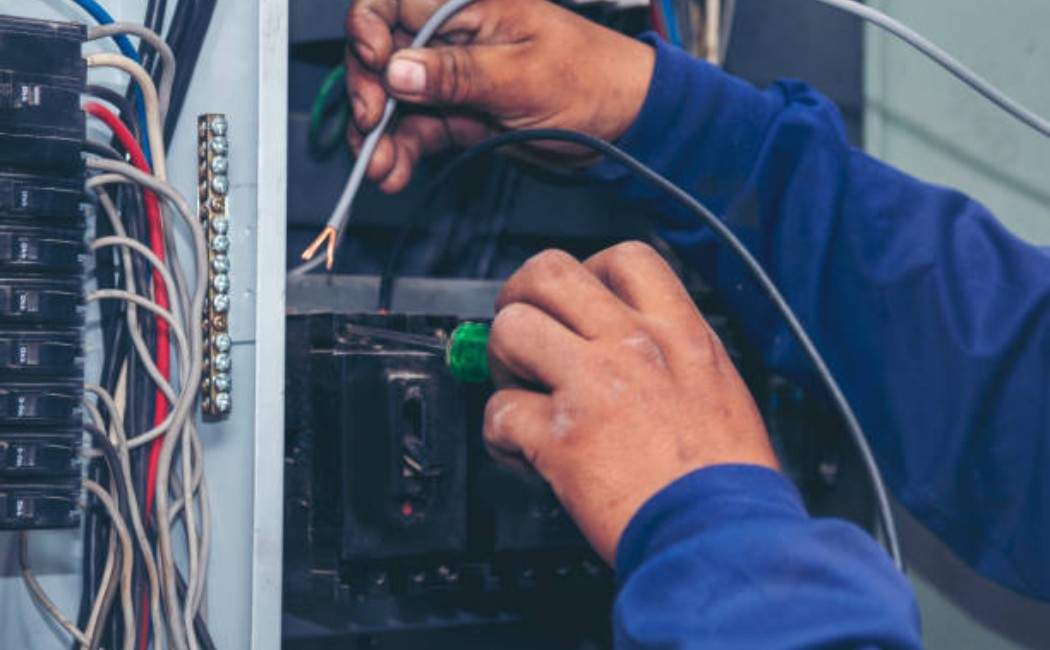
Common Household Electricity Problems To Look For
Most of the residential electrical troubleshooting calls are the result of recurrences of simple to overlook problems, such as:
- Repeatedly operating circuit breakers.
- Flashing or darkening lights.
- Warm or discolored outlets
- Sounding switches or panels.
- Foul odors around outlets or wiring.
This is an obvious sign of the wiring problems in the house that cannot be neglected.
Electrical Safety Checklist for Homeowners
Safety must be put first before trying any of the DIY electrical tips or troubleshooting. In this electrical inspection checklist, minimize risk by using:
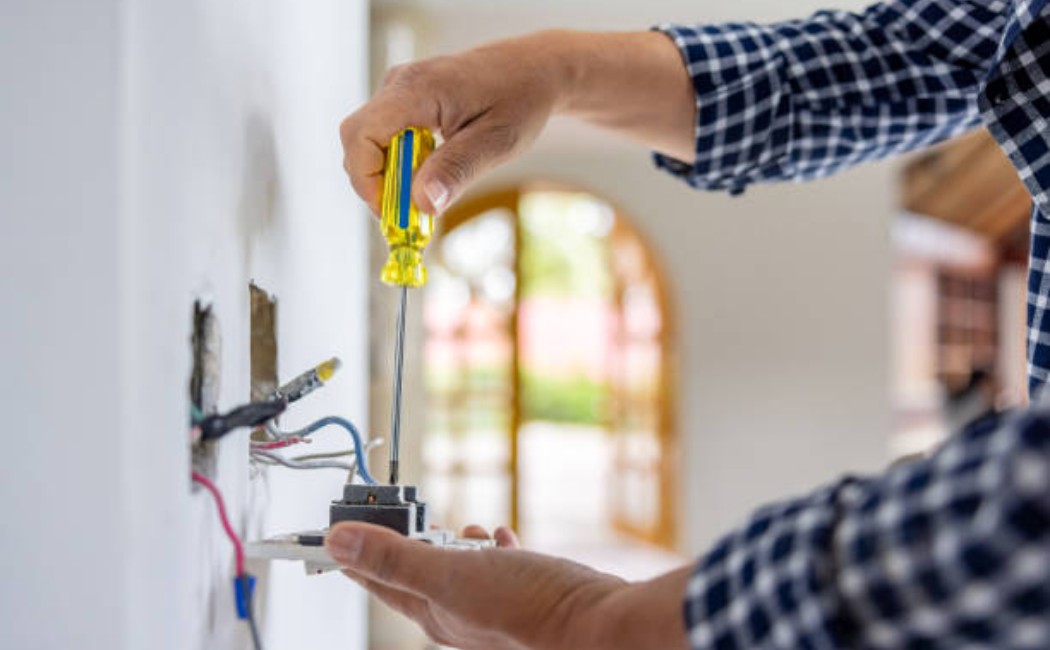
Switch off the breaker, then look at the outlets or switches
- Never touch exposed wires
- Use insulated tools only
- Do not keep water around electric parts
Wear rubber-sold shoes during inspection of electrical places.
This electrical safety checklist for homeowners can reduce the chances of electric shock or injury.
How to Troubleshoot Electrical DIY Projects Safely
Specific simple residential electrical troubleshooting work can be done without professional assistance, provided one takes care of the job
Check the Circuit Breaker
In case the power in a room is switched off, check the breaker panel. A breaker that has been tripped can just be reset. Recurring trips are, however, signs of deeper electrical issues in homes.
Test Outlets and Switches
Switches or loose outlets can also malfunction as the internal connections are worn out. When an outlet becomes hot or sparks when it is put in use, then discontinue.
Inspect Light Fixtures
Loose bulbs, faulty fixtures, or overloaded circuits may cause the flickering lights.
Unplug Overloaded Devices
An excessive number of high-wattage loads on a single circuit may lead to overheating and breaker tripping. These beginner electric problem-solving guidelines will help you find out minor problems; however, these are not an alternative to expert diagnosis.
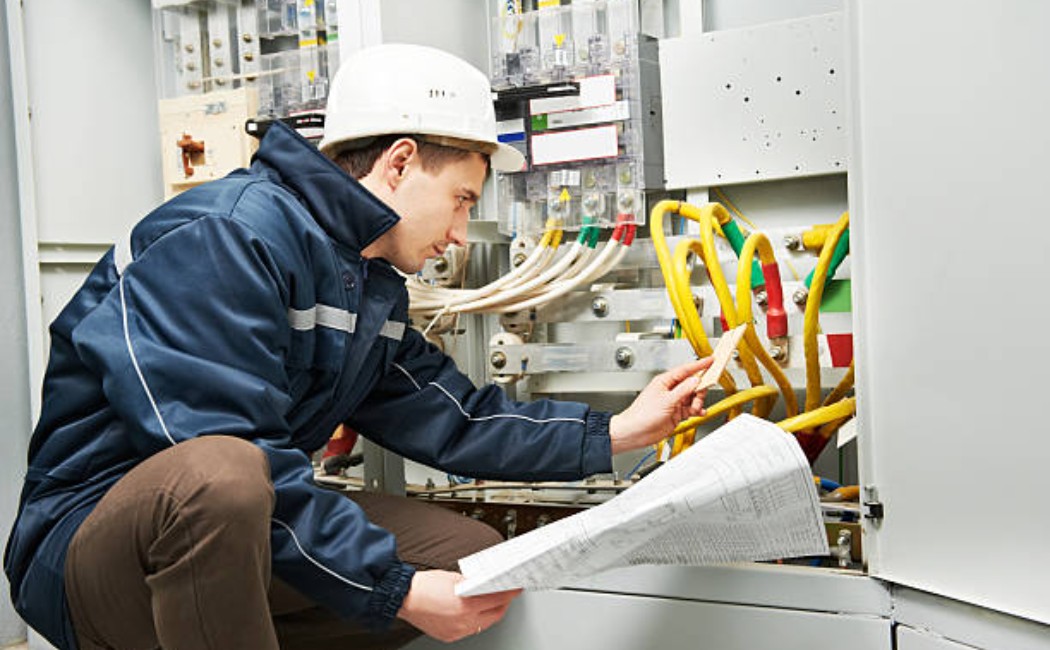
Home Wiring Issue Red Flags You Can No Longer Ignore
Some of the symptoms demand immediate attention from electrical troubleshooting services:
- Smelling odors of outlets or panels on fire.
- Scorched or melted plastic.
- Shocks during the use of the plugs.
- Constant fluctuations of power.
- Outdated or damaged wiring
These are indicators of a severe diagnosis of an electrical fault at home, and any delay can escalate the fire.
When to Call an Electrician
The issue of when to call an electrician is very important to the safety of the homeowner. You must always consult the professionals in case:
Breakers blow time and time again without apparent reason.
- You feel half congealed in power.
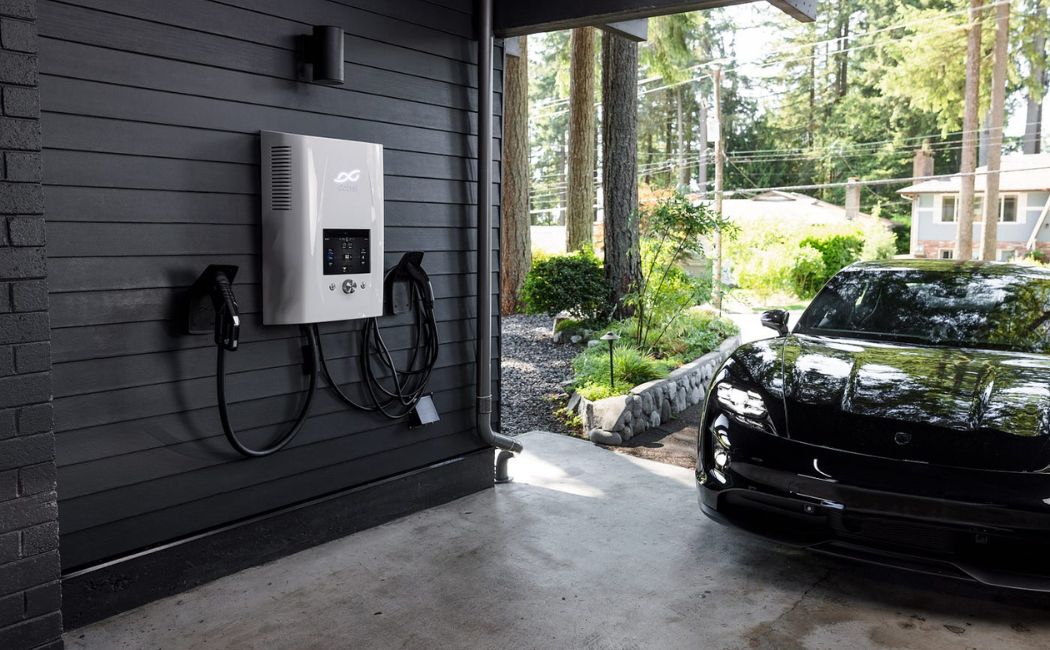
- You are replacing appliances or putting in EV chargers
- The wiring is either obsolete or non-conforming
- You do not know what the source of the problem is
Electricians licensed to work on residential buildings can be relied upon to perform residential electrical troubleshooting as well as to make all repairs that comply with local safety standards
The Significance of Routine Electric Inspections
A checklist of electrical inspections that is conducted annually will help to avoid significant failures. Nevertheless, during inspections, deteriorated wires, overloaded circuits, or improper grounding, which are common causes of electrical problems in homes, are detected. Ancient houses or those in the process of renovations or EV charger installation require periodic inspections.
The importance of Professional Electrical Troubleshooting
Although DIY checks come in handy, professional electrical troubleshooting services are provided with the following:
- Correct diagnosis of electrical faults in the house
- The adherence to the safety and electrical codes
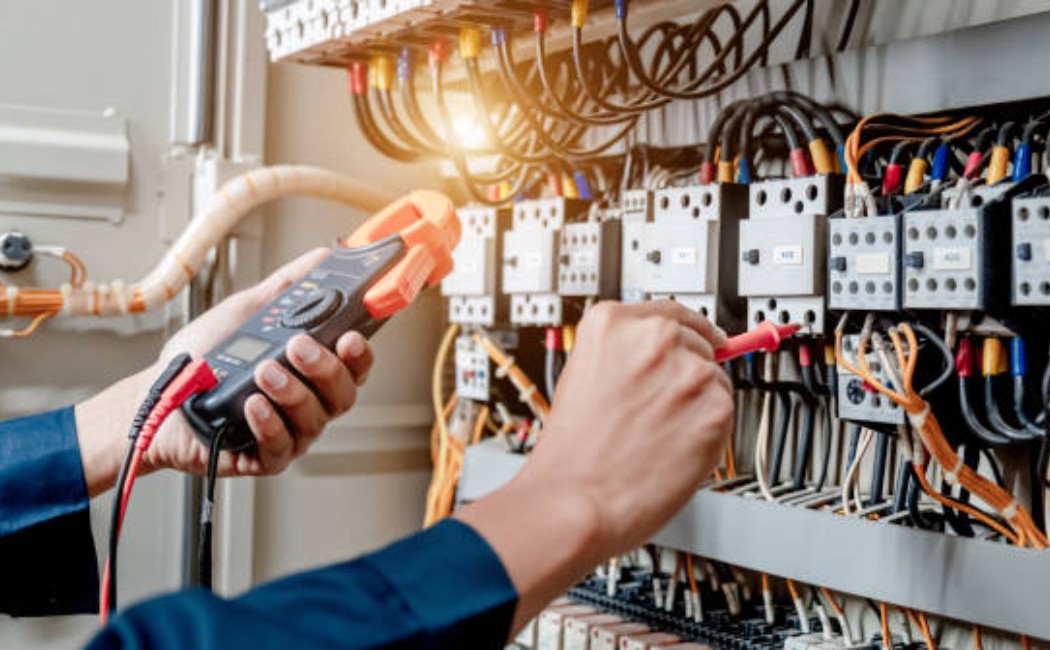
- The sophisticated equipment for concealed wiring problems
- Long-term remedies rather than short-term remedies
Professional services are a guarantee of peace of mind and a guarantee of the safety of your investment in a home.
About Robinhood Electric LLC
When looking for reliable Electrical Troubleshooting Services, Robinhood Electric LLC can be considered the best option for homeowners. Having experience in diagnosing complicated electrical problems and upgrading residential systems, as well as operating modern solutions, such as EV charging systems.
Our licensed electricians recommend the highest standards of safety and efficiency alongside code compliance. Whether you have frequent experience of the breaker trip or have wiring issues, or have plans of electrical upgrade, we will provide professional electrical troubleshooting services according to your home requirements- to secure a stable power supply and a lasting peace.
Conclusion
Problems with electricity are not simple inconveniences; they are possible safety concerns. With a comprehensive electrical troubleshooting guide for homeowners, you can learn what to look at and what to avoid to detect any danger in time.
Although simple home electrical troubleshooting can help resolve minor issues, it is essential to know when to consult an electrician. To protect your family and home, the services of professional electrical troubleshooting are the most appropriate and safe, long-term solutions.
(Frequently Asked Questions)
What are the electrical issues that are most common at home?
The most common problems include tripped breakers, flickering lights, faulty outlets, overloaded circuits, and other issues.
Can DIY electrical troubleshooting be safe for homeowners?
Only insignificant checks, such as breaking breakers or checking the outlets, are safe. Professional electricians are needed for complex issues.
What should I do to get an electrician?
Any burning smells, frequent trips to the breaker, shocks, or damaged wiring should be a subject of calling an electrician.
What should the frequency of electrical checks be?
Once every 1-2 years or more frequently in the case of older houses or renovations.
What is the need for employing professional electrical troubleshooting services?
The professionals are the people who make sure that there is the correct diagnosis, code specifications, and ensure long-term solutions to your home in the form of safety.