Electrical remodeling plays an important role in keeping your home safe, efficient, and running with the modern power demands. But have you ever thought about how electrical remodeling differs from new construction wiring? Both processes involve installing and upgrading electrical systems. But their goals, methods, and challenges differ in many ways.
New construction wiring is straightforward. On the other hand, electrical remodeling deals with the old walls, outdated parts, and safety issues. Understanding these differences helps homeowners make better renovation choices, boost energy efficiency, and improve safety over time. In this blog, we will break down the major distinctions into well-defined categories.
Safer Electrical Upgrades
One of the biggest differences between electrical remodeling and new construction wiring is the type of work performed on the open and closed structures.
New Construction
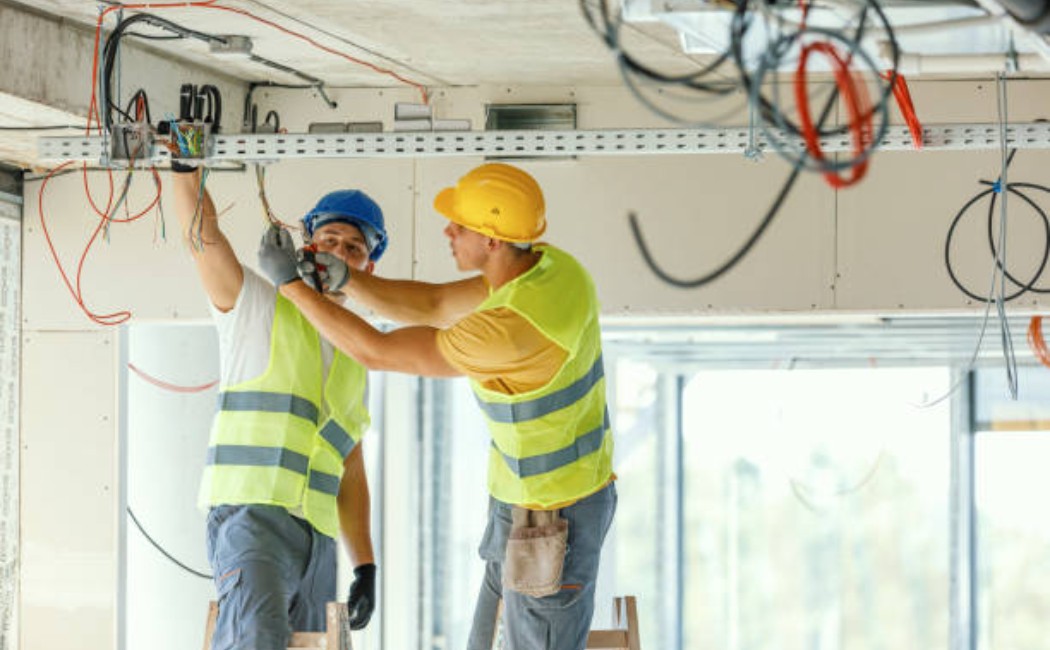
During new construction, the electrical team works in a fully accessible environment. The walls are open, the studs are exposed, and there is ample space to plan wiring paths without obstruction. This makes the process easier, reduces physical work, and ensures perfect alignment with building codes.In this phase, an electrical contractor designs the system from the ground up. They decide where to place the outlets, how much load each circuit gets, the lighting design, and the exact spots for the panels. Because everything is new and unobstructed, the wiring can be perfectly unified into the architectural plan.
Remodeling Phase
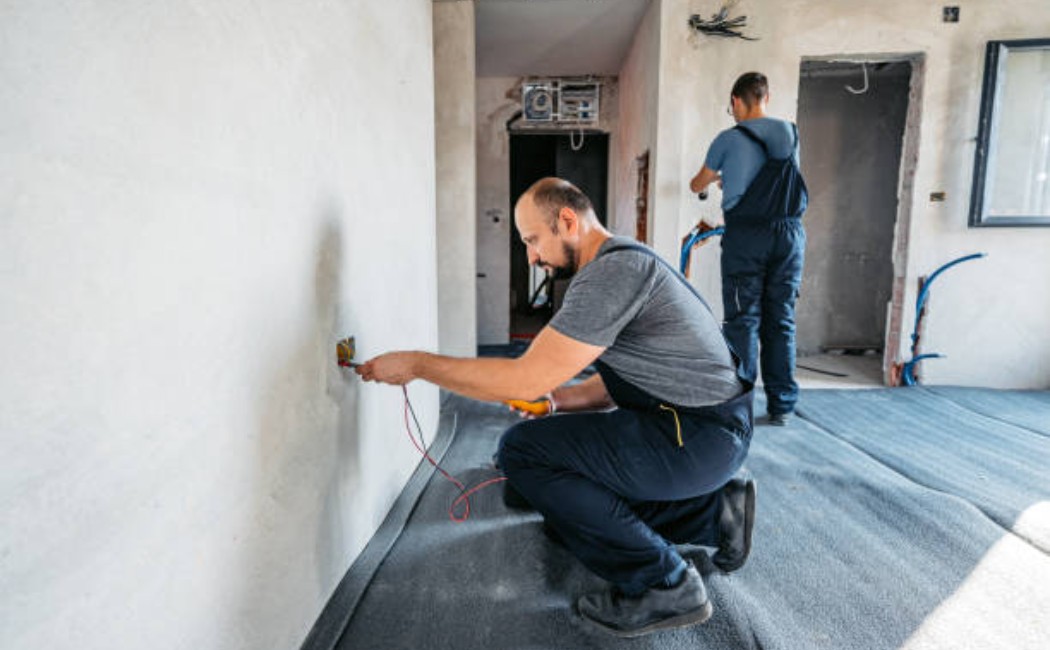
Remodeling requires making safe home electrical upgrades within an existing layout. Electricians must consider the age of the wiring, previous workmanship, hidden hazards, and limitations of the home’s original electrical design. Cutting into walls, fishing wires through small spaces, and replacing obsolete materials demands specialized techniques and safety precautions. Every update must comply with current code requirements, which often means correcting outdated systems that weren’t built to modern standards.
High Quality Renovation Wiring
Electrical remodelling changes wiring compared to new construction. Older homes often have aluminium wiring, knob-and-tube wiring, or ungrounded circuits. These do not meet safety rules. Fixing them needs careful checks and sometimes extra work to meet code.
New homes use standard modern wiring. Electricians plan wire paths. They size circuits for future use. They also make sure that grounding and bonding meet code. Builders rarely find surprises behind walls.
Remodelling brings surprises. Electricians may find damaged wires, overloaded circuits, or makeshift repairs by past owners. Good renovation wiring is important. The electrician must add new parts and connect or fix the old system. The job might take longer. It may need creative methods to safeguard the structure while updating old wiring.

Professional New Home Electrical Setup
In a new construction building, the initial set for electrical systems is to design them during construction. For this purpose, the architects and electricians collaborate to create a layout that supports current needs and future growth. This includes:
- Designing dedicated circuits for high-power appliances
- Planning whole-home surge protection
- Installing infrastructure for smart systems
- Integrating energy-efficient lighting from the start
- Setting optimal panel locations
Everything gets installed before the finishes go up. This makes the process efficient and systematic.
Electrical Home Remodeling
In electrical remodeling, design happens with more constraints. Homeowners often want more outlets, better lighting, or smart-home features. But wall placement, insulation, plumbing, and existing circuits can make changes tricky. Electricians need to test what’s possible. They must keep safety in mind and avoid big structural changes. This means remodeling design is often more adaptive and problem-solving focused.
Energy Efficiency During Home Rewiring
Energy efficiency is crucial for homeowners. Electrical remodeling can boost a property’s sustainability. This is especially true when you rewire during renovations.
Older wiring systems are normally not designed for energy-saving appliances, LED lighting, or modern electrical loads. Rewiring allows electricians to add:
- Higher-capacity circuits
- Smart HVAC controls
- Energy-efficient lighting systems
- Updated grounding
- Advanced electrical panels
Meanwhile, builders install energy-efficient home wiring in new construction from day one. Builders construct the home with modern insulation, updated standards, and high-efficiency materials. Remodeling must consider how much of the home’s wiring and components can be upgraded. This should be done without needing full demolition.
New builds usually make it easier to add energy-saving options. However, remodeling gives a great chance to update older systems. It can cut monthly power use and boost electrical reliability.
Home Safety Wiring Improvements
Safety is the primary reason why homeowners invest so much money into electrical remodeling. Outdated wiring can create fire hazards, electrocution risks, and frequent power issues. Home safety wiring improvements usually include replacing deteriorated wiring, adding GFCI and AFCI protection, grounding old circuits, and upgrading panels to meet code.
During home remodeling, electricians must evaluate every connection, outlet, and junction box to ensure safety compliance. In many cases, remodeling uncovers previous hazards the homeowner did not know existed. This makes the process essential not just for convenience, but for the long-term safety of the household.

Cost-Effective Electrical Upgrades
Budget plays a large role in both remodeling and new construction. Electrical remodelling can cost more per circuit or outlet. This is because it needs effort. Tasks include finding hidden wiring, cutting and patching drywall, and replacing old parts. Upgrading with careful consideration can lead to affordable electrical improvements. These upgrades boost functionality, safety, and home value.
New construction generally offers lower upfront costs because builders streamline the installation process. Electricians can install wiring quickly, efficiently, and without surprises. The materials and labor are predictable, making budgeting straightforward.
How Robinhood Electric, LLC Is The Perfect Choice for Remodeling and New Construction Wiring?
When looking for reliable electrical services, Robinhood Electric LLC stands out as the best electrical remodeling company for homeowners who value safety, quality, and long-term performance.
Our team of affordable electrical remodeling experts provides a comprehensive range of electrical services that are designed to improve your home’s reliability without exceeding your budget. We provide professional electrical remodeling services for homes and businesses. From panel upgrades to modern lighting installations, we deliver services that give your home the power, protection, and efficiency it deserves.

Conclusion
Electrical remodeling and new construction wiring may look similar on the surface, but they have different processes, challenges, and goals. Each of them is very different from the other. New construction offers the benefits of
open walls, clear planning, and seamless integration of modern electrical standards from the start. On the other hand, remodeling requires skillful navigation of existing structures, safety improvements, and tailored solutions that bring older systems up to today’s demands.
Understanding these differences helps you make well-informed decisions that protect your home and enhance its long-term value. With the right professionals, your electrical system can remain safe, reliable, and future-ready.
Frequently Asked Questions
What is the main difference between Electrical Remodeling and new construction wiring?
Electrical Remodeling involves upgrading or replacing wiring in an existing home. New construction wiring takes place in an open framework, allowing electricians to install circuits, outlets, and panels without restrictions.
Why is Electrical Remodeling more complex than wiring for a new home?
Remodeling is more complex because electricians often encounter hidden hazards. They also need to open walls, reroute wiring, and integrate new components into older electrical frameworks, which demands more labor and problem-solving.
Is rewiring an older home worth the cost?
Yes. Rewiring improves safety, prevents fire hazards, increases energy efficiency, and ensures your home can handle modern electrical loads. While the upfront cost may be higher than for new construction, the long-term benefits and safety improvements make it a valuable investment.
Can Electrical Remodeling make my home more energy-efficient?
Absolutely. Upgrading wiring during remodeling allows electricians to install energy-efficient lighting, smart-home systems, updated panels, and dedicated circuits for modern appliances.
Do new construction electrical systems require upgrades after the home is built?
Most new construction homes are built to current electrical standards, so major upgrades aren’t needed right away.