Planning or designing your home is exciting and frustrating at the same time. Exciting because you get to do everything according to your preferences and styles, and frustrating because you have to keep an eye on every small detail. It’s not about big things like buying furniture for your bedroom or choosing the floor type for your living room.
A garage is a place that is typically given little attention while designing a house, which can lead to a lot of frustration later on when it comes to using it; just think about cables not reaching the outlets or stumbling over extensive cords all the time.
To avoid all the possible inconvenience, planning garage wiring for your garage is one of the most critical steps in creating a functional, safe, and future-ready space. Decide what the primary function of your garage is and distribute the electrical outlets accordingly.
Understand Your Garage’s Electrical Needs
Before the wiring begins, assess how you plan to use your garage. Will it house power tools, electric vehicles, refrigeration units, or just lighting and a few outlets? Understanding your power demands helps determine the capacity and complexity of your garage wiring system.
A basic garage may only need standard lighting and an outlet. However, a garage turned into a workshop or modern garages often require dedicated circuits for heavy-duty equipment. Planning early ensures stress-free electrical planning and prevents the need for rewiring later.
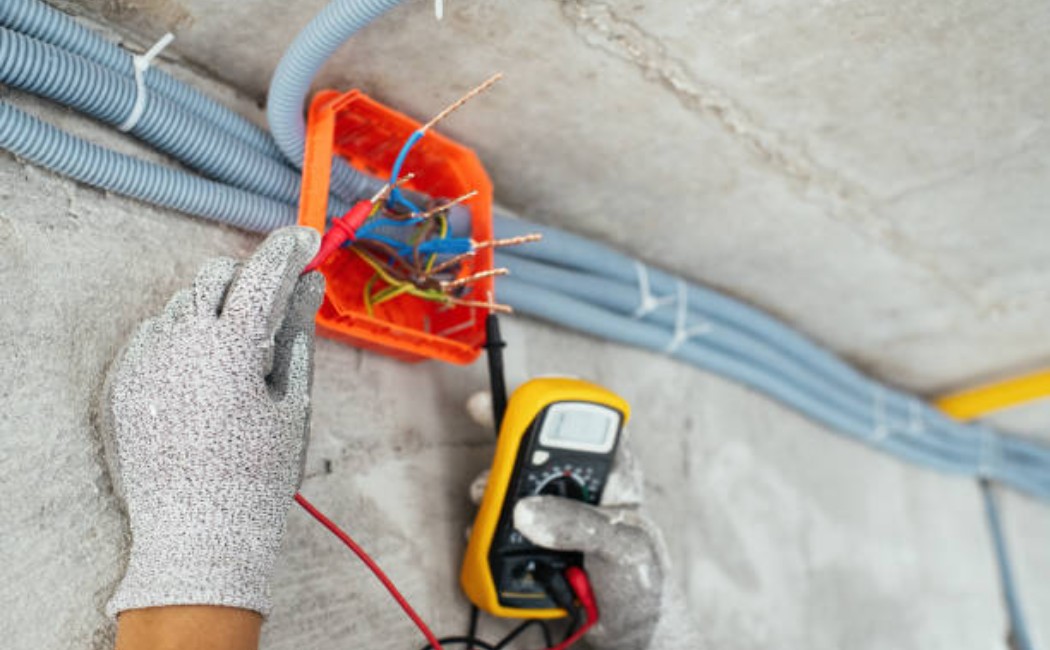
Design An Efficient Garage Electrical Layout
A well-designed electrical layout helps improve the usability and safety.
Always begin by:
- Figuring out where you will place lights, outlets, switches, and major appliances.
- Position outlets along walls so that they are at accessible heights to eliminate the need for extension cords, which can pose safety hazards.
- Consider placing outlets near workbenches, garage doors, and exterior walls for outdoor use.
Plan Garage Circuits Carefully
Lighting plays a vital role in making your garage functional and safe. Having proper garage lighting ensures clear visibility, reducing the risks of accidents. Installation of overhead LED fixtures is energy-efficient and offers bright, uniform lighting.
For larger garages, you should divide the lighting into multiple lighting circuits. This helps in illuminating the specific areas without powering the entire space, saving energy and improving control. Installing lighting over work areas and motion-sensor lights near entrances can further enhance convenience.
Decide on the subpanel installation.
The most important and challenging decision in garage wiring is to decide whether to install a subpanel. Subpanel installation is perfect for garages that require multiple circuits or high electrical loads. A subpanel allows power to be distributed efficiently and makes it easier to add new circuits later.
Installing a subpanel also reduces the risk of overloading your main electrical panel. This is especially important for reliable garages used as workshops or equipped with electric vehicle chargers, air compressors, or heavy machinery.
Follow the Garage Electrical Safety Standard
Garage electrical safety should never be overlooked. Garages are exposed to moisture, dust, and temperature changes, all of which increase electrical risks. Ground Fault Circuit Interrupter (GFCI) outlets are essential for preventing shocks, especially in areas near water sources.
All wiring should meet local electrical codes and include proper grounding. Use protective conduit for exposed wires and ensure breaker sizes match the load requirements. These steps form the foundation of safe garage wiring solutions that protect both people and property.
Choose The Right Wiring Material
The quality of materials directly impacts the longevity of your Garage Wiring. Use wiring rated for garage environments, which may experience higher humidity or temperature fluctuations. Copper wiring is preferred for its durability and conductivity.
Selecting weather-resistant outlets, switches, and fixtures further improves Garage Electrical Safety. Investing in quality materials upfront reduces maintenance costs and ensures your garage remains reliable and compliant.
Prepare For Future Expansion
Modern garages often evolve. You may later add new tools, intelligent systems, or charging stations. Stress-free electrical planning includes preparing for future expansion by installing extra conduit or leaving space in the panel for additional breakers.
This forward-thinking approach ensures your garage wiring system can adapt without significant modifications, supporting long-term reliability and functionality.
Work With a Licensed Professional
While some homeowners attempt DIY wiring, professional installation is strongly recommended for Garage Wiring projects. Licensed electricians understand local codes, load calculations, and safety standards. Their expertise ensures proper subpanel installation and a well-balanced garage electrical layout.
Professional planning reduces the risk of costly mistakes and helps create reliable garages that perform efficiently under daily use.
How Robinhood Electric Contributes To Electrical Wiring For A New Garage
Robinhood Electric is the best garage wiring company with more than 15 years of experience. We deliver safe, code-compliant, and future-ready electrical solutions tailored to modern garage needs. Whether you want complete garage wiring and lighting circuits to subpanel upgrades and outlet installations, our licensed electricians ensure every project meets the highest safety standards.
Our affordable garage wiring experts combine transparent pricing with reliable workmanship, making it easy for homeowners to upgrade their garages without stress. Whether you are building a new garage or upgrading an existing one, we provide dependable electrical systems designed for long-term performance and safety.

Final Remarks
Planning electrical wiring for a new garage requires careful consideration, innovative design, and a focus on safety, from designing a practical garage electrical layout to installing proper garage lighting circuits and ensuring garage electrical safety; every decision matters.
By investing time in stress-free electrical planning and choosing safe garage wiring solutions, you create a space that is functional, adaptable, and built to last. Whether your garage is for storage, work, or future upgrades, well-planned Garage Wiring ensures it remains safe, efficient, and reliable for years to come.
Frequently Asked Questions
Why is proper garage wiring necessary for a new garage?
Installing proper garage wiring ensures safe power distribution that prevents overloads and supports long-term functionality.
How do I design an efficient garage electrical layout?
An efficient garage electrical layout places outlets, switches, and garage lighting circuits strategically to improve usability and support stress-free electrical planning.
Do I need a subpanel installation for my garage?
Mostly, subpanel installation is recommended for garages with high power demands, multiple circuits, or future expansion needs for reliable operation.
What safety features should be included in garage wiring?
Safe garage wiring solutions include GFCI outlets, proper grounding, code-compliant wiring, and protected garage lighting circuits.
How can I future-proof my garage wiring system?
Stress-free electrical planning involves installing extra circuits, conduit, and panel capacity to accommodate future tools, lighting, or upgrades.