Electrical systems power every modern home. High‑power appliances and smart devices all need safe, steady electricity. If your panel is old, overloaded, or unsafe, replace it. This will protect your home and keep everything running smoothly.
Preparing for a panel replacement can be daunting, especially if you haven’t handled a major electrical upgrade. This guide explains how to spot warning signs and how to get your home ready for the work.
Why Electrical Panel Replacement Matters
Your electrical panel distributes electricity throughout your home. Older panels can become unsafe over time. This happens because of wear and tear, increased energy needs, and outdated designs. Upgrading your home’s electrical system on time helps it meet modern demands. This reduces risks like overheating, tripped breakers, and even house fires.
Upgrading your fuse box, remodeling your home, or fixing ongoing electrical problems? Replacing the panel is usually the best long-term solution.
Signs You Need Panel Replacement
Before making any big move, check if your electrical panel needs an upgrade. Here are common signs you need panel replacement:
- Frequent Breaker Trips
If your electrical breakers trip often, it’s a sign your current system cannot handle the load. This is common in older homes that can’t support modern appliances.
- Flickering or Dimming Lights
Lights that dim when appliances turn on are a sign that your panel is struggling.
- Burning Smells or Discoloration
A burning smell near your panel or outlets is a serious safety risk. It needs your immediate attention.
- Warm or Hot Panel Surface
Heat coming from the panel indicates overloaded circuits or internal damage.
- Outdated Fuse Box
If your home still uses fuses instead of breakers, a fuse box upgrade is urgent for safety and efficiency.
- Renovations or Added Appliances
Major home upgrades, such as EV chargers, HVAC systems, or additions, need electrical panels that can handle higher loads.
If any of these issues sound familiar, an electrical panel replacement is the next right step.
Hire Professionals: Licensed Electrician Services Are a Must
Electrical work is not DIY-friendly. A panel replacement involves substantial risks when handled incorrectly. Always pick licensed electricians with solid experience in home wiring and panel repair.
A qualified professional will:
- Conduct an electrical system inspection.
- Assess current and future energy needs.
- Choose the right-sized panel.
- Install all components safely.
- Ensure code compliance.
- Get the required permits.
Going with a professional keeps your home safe and ensures the upgrade will last for decades.
Steps to Prepare for an Electrical Panel Replacement
Now that you see the importance, let’s go over the steps for preparing for electrical work.
1. Schedule a Full Electrical System Inspection
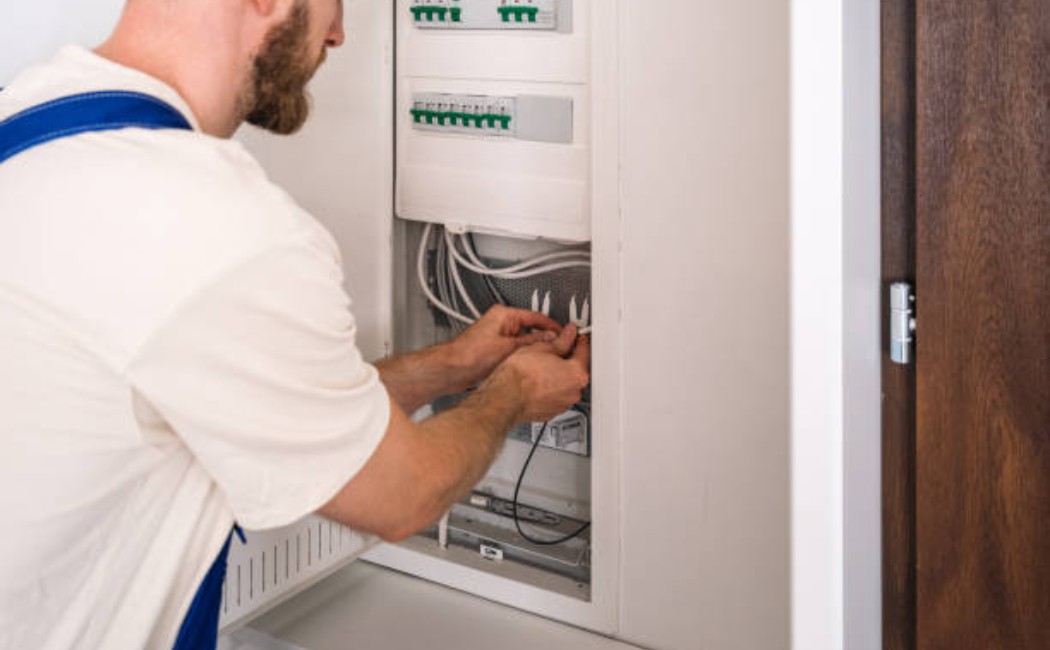
Before installation, the electrician will perform a detailed electrical system inspection. This helps identify issues in the wiring, circuits, grounding, and existing panel. It also ensures your upgrade aligns with current code requirements.
During this visit, ask your electrician:
- What panel size do I need?
- Is my wiring compatible with the new panel?
- Will I need additional circuit upgrades?
- How long will the power be off during the replacement?
Knowing these details helps you plan your day.
2. Inform Your Household About the Power Shutdown
Your electrician will turn off the power to your whole home during the circuit breaker panel installation. This can last anywhere from a few hours to most of the day, depending on the complexity of the job.
Prepare your home by:
- Charging phones, laptops, and backup batteries
- Planning meals that don’t require electricity
- Ensuring pets have a quiet, safe space
- Notifying family members ahead of time
If you work from home, plan to relocate for the day or make arrangements to work offline.
3. Clear Access to the Panel Area
Electricians need space to work efficiently and safely. Make sure the area around your panel is fully accessible.
This often includes:
- Moving furniture
- Clearing storage boxes
- Removing shelving units or clutter
- Ensuring a minimum of 3–4 feet of clear working space
This helps prevent delays and ensures compliance with safety standards.
4. Protect Your Home from Dust and Debris
Though electrical work is relatively clean, drilling and wire adjustments can generate dust. Before installation:
- Cover furniture with plastic sheets
- Protect the flooring near the panel
- Move sensitive electronics to another room
These small steps help preserve your home’s cleanliness.
5. Secure Pets and Children Away from the Work Zone
During an Electrical Panel Replacement, wires will be exposed, and tools will be in use. Keep pets and kids away for their safety. This helps electricians work without distractions.
6. Prepare Questions for Your Electrician
Clear communication ensures smooth installation. Before the work begins, discuss:
- The estimated completion time
- Any additional wiring or grounding upgrades
- Expected lifespan of the new panel
- Future-proofing options if you plan renovations
Being informed minimizes surprises and ensures your investment supports long-term energy needs.
During the Installation: What to Expect
On the day of the circuit breaker panel installation, here’s what typically happens:
- The electrician shuts off your main power.
- The old panel was removed safely.
- Any necessary wiring adjustments are completed.
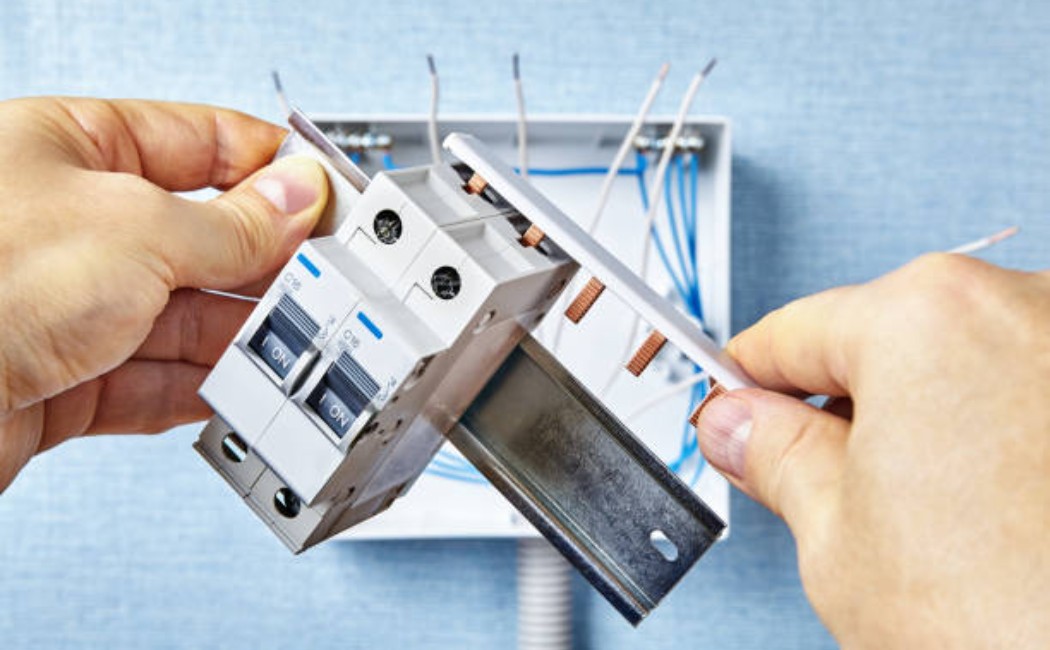
- The new electrical panel is installed and grounded.
- Circuits are labeled clearly for future reference.
- The electrician tests all breakers and connections.
- Power is restored to the home.
Most replacements are completed the same day unless additional repairs are required.
Post-Installation Tips: Ensuring Long-Term Safety
After your new panel is installed, here are some electrical safety tips to help you enjoy your upgrade:
1. Review Your New Panel Layout
Ask the electrician to explain the layout and labeling. Knowing which breaker controls each room is important for emergencies and troubleshooting.
2. Perform Routine Power Panel Maintenance
Just like any home system, your new panel needs periodic checks. Power panel maintenance helps prevent unexpected issues and prolongs the panel’s lifespan.
Maintenance may include:
- Inspecting for rust or pests
- Checking for overheating
- Ensuring breakers aren’t loose
- Keeping the area clean and dry
3. Avoid Overloading Circuits
Even a new panel can be overloaded by improper usage. Spread appliances across different circuits. Avoid using multiple high-powered devices on the same line.
4. Schedule Annual Electrical Checkups
It’s best to have a yearly checkup. This helps ensure your upgraded panel and the whole electrical system work safely.
Upgrade Outlets and Wiring as Needed
If your home is older, more upgrades to outlets or wiring may still be necessary. A new panel is a good start, but safety relies on the whole electrical system working well together.
Why Choose Robinhood Electric, LLC?
Upgrade your home’s safety and power capacity with our professional electrical panel replacement services. We specialize in residential panel replacement, home panel replacement services, fuse box upgrades, and complete panel replacement installation. At Robinhood Electric, LLC team of panel replacement contractors provides thorough electrical system inspections and ensures every installation meets the highest safety standards. Whether you’re preparing for electrical work or need long-term power panel maintenance, our experts deliver reliable, efficient solutions that keep your home protected and future-ready.
Final Thoughts
Preparing for an electrical panel replacement doesn’t have to be stressful. With good planning, a trustworthy electrician, and a clear process, you can upgrade your home’s electrical system easily and safely. Upgrading your home is a smart choice. It helps with ongoing electrical problems and supports higher power use. This investment boosts safety and performance for the long run.
Inspections of electrical systems and installing circuit breaker panels matter. Long-term maintenance of power panels also helps. Each step leads to a more efficient, reliable, and future-proof electrical system. Using the tips above will help things run smoothly. You’ll also feel at ease, knowing your home is protected for years.
Frequently Asked Questions
How do I know if I need an electrical panel replacement?
You may need an electrical panel replacement if you experience frequent breaker trips, flickering lights, burning smells, outdated fuse boxes, or increased energy demands from new appliances.
How long does an electrical panel replacement take?
Most electrical panel replacements take between 4 to 8 hours. If additional wiring, grounding, or repairs are needed, the process may extend into a full day.
Do I need to turn off the power before the electrician arrives?
No, your electrician will safely shut off the power during installation. However, you should prepare by charging devices, planning meals, and notifying household members about the downtime.
Will replacing my electrical panel increase my home’s value?
Yes, a modern panel increases safety, supports higher electrical loads, and ensures code compliance, factors that can boost home value, especially in older properties.
Is a fuse box upgrade the same as a panel replacement?
A fuse box upgrade is one type of electrical panel replacement. It involves replacing an outdated fuse-based system with a modern circuit breaker panel for improved safety and performance.