
Understanding Adderall Uses and Its Clinical Applications
Adderall, a prescription medication combining amphetamine and dextroamphetamine, is primarily used to treat Attention Deficit Hyperactivity Disorder (ADHD) by improving focus and reducing impulsivity. It also serves as a treatment for narcolepsy, helping to manage excessive daytime sleepiness. Understanding its proper medical applications is crucial for safe and effective use.
Medical Uses for ADHD
Within the quiet hum of a psychiatric clinic, a teenager’s world once felt like a static-filled radio—until a prescription offered a unexpected filter. Medical uses for ADHD extend beyond simple focus; they restore a neurological rhythm. Stimulant medications like methylphenidate fine-tune dopamine pathways, allowing a patient to sift through distractions and complete a single thought. For one adult, this meant finally keeping a job; for a child, it meant reading a book without losing their place. The treatments, from non-stimulants to behavioral therapy, gently recalibrate a constant internal static, offering not a cure, but a bridge. This medical intervention transforms chaotic momentum into directed action, proving that ADHD management is less about silencing the mind and more about helping it sing a coherent song.
Improving Focus and Concentration
In a cramped clinic, Dr. Elena watched a child flip his pencil across the room for the third time. His mind raced, but his body wouldn’t follow. She prescribed a low-dose stimulant, and within weeks, the fidgeting eased, and he read his first full chapter. Stimulant medications for ADHD help regulate dopamine levels, sharpening focus where chaos once reigned. These treatments don’t erase the condition; they hand tools back to the patient. Non-stimulants like atomoxetine offer a calmer option for those with anxiety. The result isn’t a cure—it’s a door opened. Suddenly, homework becomes a challenge, not a wall, and conversations hold their shape long enough to finish a thought.
Reducing Hyperactivity and Impulsivity
Attention deficit hyperactivity disorder (ADHD) medications are widely recognized for their medical utility in managing core symptoms of inattention, hyperactivity, and impulsivity. These treatments, including stimulants like methylphenidate and amphetamines, work by balancing neurotransmitter levels to improve focus and executive function. ADHD medication management is a primary, evidence-based intervention for both children and adults, significantly enhancing daily functioning, academic performance, and quality of life when properly prescribed.
Common treatment approaches include:

- Stimulants: Immediate-release and extended-release formulations to target symptom control throughout the day.
- Non-stimulants: Options like atomoxetine or guanfacine for patients who do not tolerate stimulants.
- Behavioral therapy: Often combined with medication to reinforce coping strategies and organizational skills.
Q: Are ADHD medications habit-forming?
A: When taken as prescribed under medical supervision, the risk of addiction is low. Stimulants are controlled substances, but responsible use focuses on therapeutic benefit rather than abuse.
Dosage Forms: Immediate-Release vs. Extended-Release
ADHD medications, particularly stimulants like methylphenidate and amphetamines, are the cornerstone of medical treatment, effectively regulating neurotransmitter activity to improve focus and impulse control. These pharmaceutical interventions are most effective when combined with behavioral therapy, which teaches coping mechanisms for executive dysfunction. A tailored medication regimen reduces symptom severity in approximately 80% of patients, enhancing academic and occupational performance.
Common ADHD medication types include:
- Stimulants (e.g., Adderall, Ritalin) – first-line treatment for rapid symptom control
- Non-stimulants (e.g., Strattera, Guanfacine) – alternative for those with side effects or substance abuse risk
- Antidepressants (e.g., Bupropion) – off-label use for comorbid depression or anxiety
Q: Do ADHD medications cause dependency?
A: Stimulants have abuse potential, but when prescribed and monitored by a physician, the risk of addiction is low. Extended-release formulations further reduce misuse.
Treatment Protocols for Children and Adolescents
ADHD medications are primarily used to manage core symptoms like inattention, hyperactivity, and impulsivity. Stimulants such as methylphenidate and amphetamines increase dopamine and norepinephrine levels, improving focus and executive function. Non-stimulant options like atomoxetine and guanfacine provide alternatives for individuals who do not respond well to stimulants or have coexisting conditions. **Proper medication management for ADHD** requires careful dosing and monitoring by a healthcare professional. Common side effects can include appetite suppression, insomnia, and increased heart rate, which must be weighed against therapeutic benefits. Treatment plans often combine medication with behavioral therapy for optimal outcomes.
Treatment Protocols for Adults
ADHD is primarily treated with stimulant medications like methylphenidate and amphetamine-based drugs, which increase dopamine and norepinephrine levels to improve focus and impulse control. Non-stimulant options such as atomoxetine and guanfacine offer alternatives for patients with side effect concerns or contraindications. ADHD management strategies also include behavioral therapy and psychoeducation to support skill development. Executive functioning deficits are a core target, with treatment tailored to individual symptom profiles. While effective, all medications carry potential risks like insomnia, appetite suppression, or elevated heart rate, requiring regular monitoring by clinicians.
Medical Uses for Narcolepsy
Narcolepsy, a neurological disorder affecting sleep-wake regulation, has a paradoxical medical application in the form of sodium oxybate. This central nervous system depressant is a **primary treatment for cataplexy** and excessive daytime sleepiness associated with the condition. By consolidating fragmented nighttime sleep and enhancing slow-wave sleep, it reduces the frequency and severity of cataplexy attacks. Additionally, stimulants like modafinil or armodafinil are used to promote wakefulness, while certain antidepressants may suppress REM sleep to manage hallucinations and sleep paralysis. These medications do not cure narcolepsy but provide **symptomatic management and improve quality of life**. The targeted use of these drugs underscores how understanding a disorder’s pathophysiology can lead to specific, condition-based therapeutic interventions.
Managing Excessive Daytime Sleepiness
Narcolepsy medications have critical medical applications beyond sleep disorder treatment. For instance, central nervous system stimulants like modafinil are used off-label to manage excessive daytime sleepiness in conditions such as multiple sclerosis or Parkinson’s disease. Additionally, sodium oxybate (GHB) is employed under strict supervision for fibromyalgia to improve sleep architecture and reduce pain sensitivity. Other applications include:

- Cataplexy control in rare seizure disorders like hypothalamic hamartoma.
- Cognitive enhancement in post-chemotherapy brain fog, leveraging wakefulness-promoting agents.
- Shift work sleep disorder, where narcolepsy-class drugs like armodafinil improve alertness during non-traditional hours.
These repurposed uses require careful risk-benefit analysis due to potential for abuse. Always consult a sleep specialist before considering such applications.
Reducing Cataplexy Episodes
Narcolepsy medications serve a unique dual purpose beyond treating the sleep disorder itself. Certain stimulants, like modafinil, are sometimes repurposed off-label to combat extreme daytime fatigue in conditions such as multiple sclerosis or Parkinson’s disease. Doctors may also prescribe sodium oxybate, the gold-standard narcolepsy drug, to reduce cataplexy-like muscle weakness in patients with certain genetic seizure disorders. Beyond neurology, these meds help with:
- Shift work sleep disorder – promoting alertness during night shifts
- Attention deficit hyperactivity disorder (ADHD) – improving focus
- Treatment-resistant depression – boosting energy and motivation
Because narcolepsy drugs enhance wakefulness or slow-wave sleep, they’re studied for jet lag recovery and traumatic brain injury fatigue. Always consult a specialist, as dosing and heart risks vary.
Dosage and Timing for Wakefulness
Deep in the night, while the world sleeps, a narcoleptic brain refuses to enter proper slumber—yet this very disruption holds therapeutic potential. Narcolepsy research drives new sleep therapies for wider conditions. The unique REM-sleep intrusions in narcolepsy patients have taught scientists how to treat sleep paralysis and cataplexy in stroke survivors. By studying the hypocretin deficiency behind narcolepsy, researchers developed medications that now help shift workers and jet-lag sufferers reset their internal clocks.
“In understanding shattered sleep, we’ve found the keys to mending it—for everyone.”
Clinical applications extend beyond sleep clinics:
- Sodium oxybate, originally for narcolepsy, now eases fibromyalgia pain
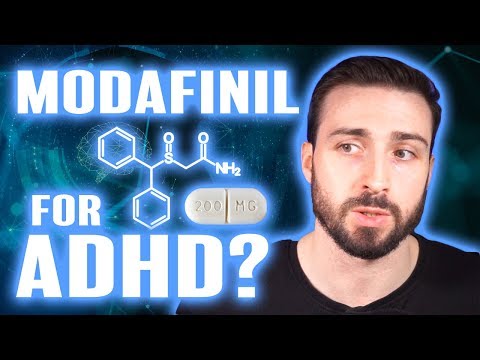
- Modafinil (a narcolepsy drug) improves cognition in ADHD and depression
- Narcolepsy-linked orexin therapies show promise for Alzheimer’s vigilance loss
Thus, a disorder once misunderstood now illuminates a path to better rest for millions.
Off-Label and Investigational Uses
Off-label use describes the prescription of a Food and Drug Administration-approved drug for a condition, dosage, or patient population not included in its official labeling. This practice is legal and common, particularly in oncology and pediatrics, where evidence may support efficacy despite the lack of formal approval. Conversely, investigational uses refer to drugs or biologics still undergoing clinical trials to establish safety and efficacy. Access to these unapproved therapies often occurs through Expanded Access programs or clinical trial enrollment. Physicians must carefully weigh the potential benefits against unknown risks, relying on emerging data and ethical guidelines. Regulatory compliance is essential to navigate the complex landscape between accepted medical practice and experimental treatment, ensuring patient safety while fostering medical progress. Both categories require documented informed consent and rigorous oversight.
Treatment-Resistant Depression
In a bustling oncology ward, Dr. Elena reviewed a late-stage patient’s chart, knowing the approved drugs had failed. She turned to an off-label drug use—a chemotherapy agent sanctioned for breast cancer, now given for a rare sarcoma. This practice, common in pediatrics and neurology, relies on clinical judgment over formal FDA approval. Meanwhile, down the hall, a researcher administered an investigational compound under a clinical trial, offering hope where standard options ended. These uses carry risks: lack of robust safety data, variable insurance coverage, and potential unknown side effects. Yet for many, they represent the only bridge between desperation and remission—a calculated gamble grounded in science, not speculation.
Binge Eating Disorder (BED)
Off-label and investigational uses of drugs represent a frontier where clinical necessity often outpaces regulatory approval. Physicians may prescribe an approved medication for a condition, dosage, or patient population not listed on its label, relying on emerging evidence when standard treatments fail. Investigational therapies, meanwhile, are still under study but offered to patients with no other options through clinical trials or expanded access programs. Navigating off-label prescribing risks requires balancing potential benefits against unknown side effects, often with limited insurance coverage. This dynamic terrain drives medical innovation but demands cautious, informed decision-making from both doctors and patients.
Cognitive Enhancement in Certain Populations
Off-label and investigational uses represent the frontline of medical innovation, where clinicians prescribe approved drugs for unapproved conditions or deploy experimental therapies before full FDA clearance. This practice is critical for patients with rare, aggressive, or treatment-resistant diseases, offering potential lifelines when standard options fail. However, the dynamic landscape demands careful navigation: modafinil vs adderall robust informed consent, rigorous monitoring, and evidence-based rationale are non-negotiable. Expanded access to investigational therapies often hinges on a physician’s willingness to push boundaries, balancing hope against unknown risks. Key considerations include:
- Regulatory pathways: Single-patient INDs or emergency use authorizations.
- Evidence gaps: Reliance on small trials, case series, or preclinical data.
- Reimbursement hurdles: Insurers may deny coverage for unapproved indications.
Clinicians must document treatment rationale meticulously, leveraging peer-reviewed literature or ongoing trials to justify off-label choices. This agile, patient-centered approach accelerates discovery but demands ethical vigilance, ensuring hope doesn’t outpace science.
Fatigue in Chronic Illnesses
In a hushed oncology ward, a physician prescribes a decades-old blood pressure drug for a child’s rare, aggressive tumor—an off-label use born not from FDA approval, but from a desperate, evidence-backed hunch. These uncharted territories, where medications treat conditions they were never designed for, often drive medical breakthroughs. Off-label prescribing enables clinicians to innovate where standard options have failed. Similarly, investigational uses, like offering an experimental immunotherapy to a patient with no remaining hope, unfold within strict clinical trials or compassionate access programs. Each pill in these scenarios carries the dual weight of potential cure and unknown peril. Patients must navigate complex consent forms and variable insurance coverage, trusting that a doctor’s off-label strategy or an investigational agent might bridge the gap between illness and remission, rewriting the story of modern medicine one risk at a time.

Mechanism of Action
The mechanism of action describes the precise biochemical interaction through which a drug molecule produces its therapeutic effect. This process typically begins with the drug binding to a specific target, such as a receptor, enzyme, or ion channel, on or within a cell. This binding triggers a cascade of events, like activating a signaling pathway or blocking a disease-causing protein. In essence, the mechanism is the story of how the drug changes cellular function, from the initial molecular handshake to the final, observable clinical outcome. Understanding this “how” is crucial for developing safer, more effective therapies and predicting potential side effects, making it a cornerstone of modern pharmacology and drug discovery.
Dopamine Reuptake Inhibition
The mechanism of action explains exactly how a substance, like a drug or toxin, produces its effect in the body. Think of it as a lock-and-key system: a molecule (the key) binds to a specific receptor (the lock) on a cell, triggering a chain reaction. This can block pain signals, kill bacteria, or lower blood pressure. For example, ibuprofen works by inhibiting enzymes called COX-1 and COX-2, which stops the production of chemicals that cause inflammation and pain. Understanding drug mechanism of action is vital for predicting side effects and ensuring safe, effective treatment.
Norepinephrine Reuptake Inhibition
The mechanism of action describes the precise biochemical interaction through which a drug produces its therapeutic effect. Typically, this involves binding to a specific molecular target, such as a receptor or enzyme, altering its function. This change initiates a downstream cellular cascade, effectively modulating physiological pathways to correct a disease state.
A drug’s precise mechanism of action is the foundation of its efficacy and safety profile.
Pharmacodynamics is the core study behind this process. Most drugs operate through one of the following key actions:
- Receptor binding: Activating or blocking receptors to alter cellular signals.
- Enzyme inhibition: Blocking a metabolic step to prevent a harmful product.
- Ion channel modulation: Controlling the flow of ions to regulate cell excitability.
This targeted interaction ensures a predictable therapeutic outcome, distinguishing effective drugs from merely passive compounds. Without a well-defined mechanism, a drug’s clinical application remains unreliable.
Effects on Prefrontal Cortex Function
The mechanism of action begins not with a single event, but a cascade of molecular recognition. A signaling molecule, such as a hormone or drug, binds to its specific receptor on the cell surface. This triggers a conformational change, reshaping the receptor’s intracellular domain like a key turning in a lock. This physical shift activates a G-protein, which then engages an enzyme like adenylyl cyclase, transforming ATP into the second messenger cAMP. Signal transduction pathways amplify this initial whisper into a cellular roar, orchestrating effects from gene transcription to muscle contraction. Each step is a precise, choreographed interaction, revealing how a chemical whisper can rewrite a cell’s entire narrative.
Common Side Effects and Risks
While many individuals tolerate medications and treatments with minimal issues, it is crucial to recognize that common side effects can include nausea, dizziness, fatigue, and localized reactions like skin irritation. From an expert perspective, these symptoms are often transient, but their presence signals the body’s adjustment to active ingredients. More significantly, potential health risks such as allergic responses, organ stress, or adverse drug interactions may arise, particularly with long-term use. To mitigate these dangers, medical professionals emphasize that patients should never alter dosages or combine supplements without consultation. Monitoring for signs like persistent headaches, chest pain, or swelling is vital, as these can escalate into serious complications. As the foundation of patient safety, informed medical guidance remains the most reliable strategy for balancing therapeutic benefits against personal health vulnerabilities.
Cardiovascular Effects: Increased Heart Rate and Blood Pressure

While many individuals tolerate treatments well, being informed about common side effects and risks of medications is essential for safety. Most side effects, such as nausea, mild headache, or drowsiness, are temporary and resolve as your body adjusts. However, serious risks like severe allergic reactions, liver damage, or cardiac arrhythmias, though rare, require immediate medical attention. Your risk level depends on factors including dosage, drug interactions (e.g., with grapefruit or NSAIDs), and personal health history like kidney function. Always adhere to prescribed doses and never combine medications without professional advice. If you experience persistent vomiting, swelling of the tongue, or chest pain, contact a healthcare provider promptly to mitigate long-term complications.
Psychological Effects: Anxiety and Insomnia
When taking any medication, knowing the common medication side effects helps you stay prepared rather than panicked. Most people run into mild issues like nausea, drowsiness, or headache, which usually fade as your body adjusts. Digestive troubles, dry mouth, or slight dizziness are also normal for many drugs. The real risk comes with allergic reactions—watch for hives, swelling, or trouble breathing, as these are serious. Other risks include drug interactions (mixing meds can backfire) and rare but severe issues like organ stress or dependency. Always check the label and chat with your doctor if something feels off.
Appetite Suppression and Weight Loss
Sarah thought her new medication was a miracle, until a dull ache in her knees turned into nausea that sent her running for the bathroom. Common side effects like these—drowsiness, dry mouth, or mild rash—often fade as your body adjusts. More serious risks, however, demand attention. They can spike into severe allergic reactions, liver damage, or heart issues, especially if you mix drugs without a doctor’s nod. Always read the label and report anything that feels off, because monitoring medication side effects isn’t optional—it’s survival.
Q&A:
Q: What should I do if a side effect seems severe?
A: Stop the medication and call your doctor or poison control immediately.
Potential for Abuse and Dependence
Most folks experience mild reactions like headaches, nausea, or fatigue when starting a new medication. These common medication side effects often fade as your body adjusts, but you should always check with your doctor if they persist. On the rarer side, risks can include allergic reactions, liver issues, or heart palpitations. It’s crucial to weigh these against the treatment’s benefits. Your healthcare provider can tailor a plan to lower your risk, so never hesitate to speak up.